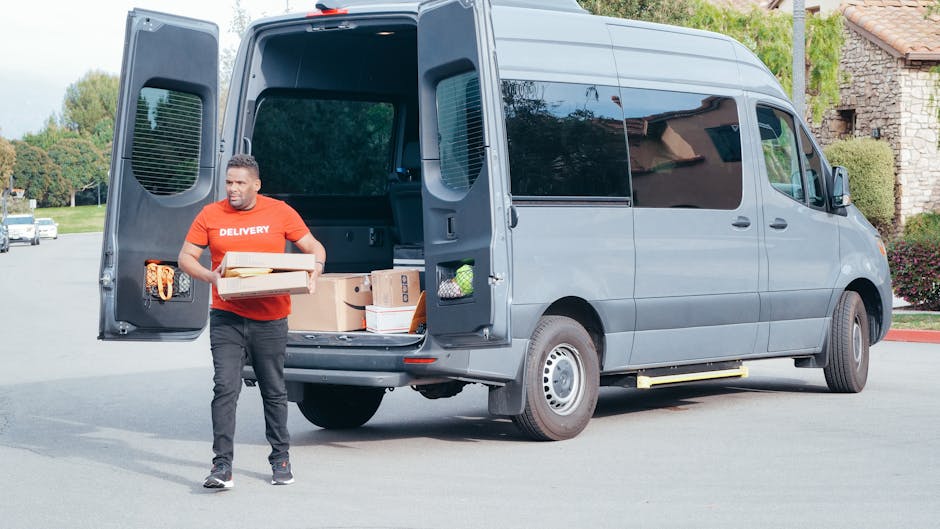
Wallington to Carshalton Beeches man and van routes: a practical local guide
If you are planning a move, a furniture pickup, or a small delivery between Wallington and Carshalton Beeches, the route may look simple on a map. In real life, though, it can be a bit more nuanced. Timing, parking, access, and the size of the vehicle all shape how smooth the job feels on the day. That is exactly where Wallington to Carshalton Beeches man and van routes become useful: they help you think beyond mileage and focus on the practical details that save time, reduce stress, and protect your belongings.
This guide breaks down how these local man and van runs usually work, who they suit, what can go wrong, and how to plan them properly. You will also find a checklist, a comparison table, and a few grounded tips from the sort of situations people often run into around South London. Truth be told, local moves are rarely "just a quick drive." The better you plan, the easier it gets.
Why Wallington to Carshalton Beeches man and van routes Matters
At first glance, Wallington and Carshalton Beeches are close enough that you might assume the move will be straightforward. And often it is. But local routes are shaped by more than distance. Road layout, school traffic, parking pressure, one-way streets, and whether you are moving from a flat or a house can all change the job.
That is why route planning matters. A man and van service is usually chosen for flexibility, not just transport. People use it for small home moves, single-item collections, student moves, part-load deliveries, and short-notice jobs. The route between the two areas may be short, but the journey can still become awkward if a loading bay is unavailable or a building has tight access.
For anyone comparing services, this is where local knowledge really earns its keep. A driver who understands the area can often anticipate where loading is easiest, where to avoid blocking traffic, and how long the handover may take. That is worth a lot when you are staring at a sofa that will not quite clear the stairwell. You know the feeling.
It also matters commercially. A well-planned route means fewer delays, fewer failed attempts to park, and fewer surprises on the invoice. When a local move stays efficient, both the customer and the mover benefit. Simple enough, but easy to overlook.
How Wallington to Carshalton Beeches man and van routes Works
A typical man and van route between Wallington and Carshalton Beeches starts with a booking or enquiry. The mover asks what is being transported, where from, where to, and whether there are access issues. That sounds basic, but it is the difference between sending the right vehicle and sending one that is too small, too large, or simply unsuited to the job.
Most local jobs follow a similar pattern:
- Initial assessment - The mover checks the volume of items, whether there are stairs, and whether help is needed for lifting.
- Route and timing planning - The best time of day is chosen to reduce congestion and improve parking chances.
- Vehicle allocation - A smaller van may suit a single-room move, while a larger removal van may be needed for a bigger load.
- Loading and securing - Items are arranged so they do not shift during transit.
- Local transfer - The short drive is usually quick, but local traffic and parking still matter.
- Unloading and placement - Furniture is taken to the right room or handed over at kerbside, depending on the arrangement.
A lot of people think the main job is the drive. In practice, the lifting, carrying, and access management often take longer than the actual journey. That is normal. If your pickup point has a narrow hallway or awkward stairs, the route plan should account for that from the start.
For bigger or repeat moves, some customers prefer browsing the wider service pages first, such as man and van, removal services, or home moves to see how the job might be structured. If it is a furniture-only job, furniture pick up may be the more relevant fit.
Key Benefits and Practical Advantages
There are good reasons people choose a local man and van for this route rather than trying to manage it alone. The obvious one is convenience. The less obvious one is control.
- Faster turnaround: A short local route can often be completed the same day or within a tight window.
- Less hassle with parking: Experienced movers tend to know how to approach loading in tighter residential streets.
- Flexible load size: Useful if you do not need a full removal lorry.
- Lower wasted effort: No need to hire a large vehicle for a small job.
- Better handling of awkward items: Sofas, wardrobes, washing machines, and boxed belongings are easier to move with the right kit and two pairs of hands.
- Reduced stress: A local mover can adapt if your key handover, lift access, or parking arrangement changes at short notice.
There is also a practical benefit that people sometimes miss: local route familiarity can improve timing accuracy. If you are collecting from one address and delivering to another nearby, even a 15-minute parking delay can throw off the whole day. A seasoned mover knows how to avoid that domino effect.
Expert summary: The best Wallington to Carshalton Beeches man and van routes are not just short routes; they are well-managed local moves that balance access, timing, load size, and protection of goods.
Who This Is For and When It Makes Sense
This kind of service suits a surprisingly wide range of people. Some are moving a few streets away, while others are transporting a mix of furniture and boxes between rented homes, family houses, or storage units. If you are wondering whether a man and van is the right fit, ask yourself a simple question: do you need the flexibility of a small, hands-on move without the overhead of a full-scale removal operation?
It often makes sense for:
- Tenants moving between flats or shared houses
- Homeowners relocating part of a household
- Students and graduates with a modest load
- Landlords or agents handling a few items between properties
- People collecting marketplace purchases or second-hand furniture
- Small businesses moving stock, equipment, or office furniture
It may also be the right choice when the route itself is simple but the logistics are not. For example, if one property has no lift, or if a bulky item needs careful manoeuvring down a tight stairwell, a local mover is often a better fit than trying to "borrow a van and sort it out." That plan has a way of sounding easier than it is.
If your move is broader, with packing, loading, and multiple rooms involved, you may want to compare house movers, house removals, and house removalists before you decide. For commercial jobs, commercial moves and office removals may be a better match.
Step-by-Step Guidance
If you want a smoother move between Wallington and Carshalton Beeches, it helps to think in stages. The route itself may be short, but the prep work is what keeps the day tidy.
1. Make a clear item list
Start by listing what is moving. Be realistic. Count the boxes, name the furniture, and note anything fragile, heavy, or awkward. A quick list is usually enough for a small job, but clarity matters. A "few bits" can turn into a van full very fast.
2. Check access at both addresses
Look at stairs, hallways, lifts, door widths, and where the van can park. If you are on a busy road or near a restricted parking area, say so early. If there is a narrow front path or a tricky side entrance, mention that too. It saves awkwardness later.
3. Choose the right vehicle size
Not every job needs a large van, and not every job can be handled by a small one. If you are moving a mattress, a wardrobe, and several boxes, you may need more space than you first think. Choosing the wrong vehicle can mean an extra trip, which nobody wants.
4. Time the move properly
Local roads can be calmer mid-morning or early afternoon, depending on school traffic and commuter patterns. In our experience, shaving even a little congestion off the day makes everything feel less rushed. If you can be flexible by an hour or two, do it.
5. Protect items before loading
Wrap mirrors, secure drawers, bag loose fixings, and use proper blankets or covers for furniture where needed. If you are moving anything delicate, do not leave it to chance. A scratched table is annoying; a broken one is worse.
6. Load in a sensible order
Heavy items usually go in first, with lighter and more fragile items positioned safely around them. This is not just about fitting everything in. It is about stopping movement in transit. A tidy van is a safer van. Honestly, it matters more than people think.
7. Confirm unloading details
Tell the mover where each item should go at the destination. If you want boxes in specific rooms, say so before the van doors open. Once unloading starts, clear instructions keep the process quick and reduce unnecessary shuffling.
Expert Tips for Better Results
Small local moves reward good habits. You do not need a giant spreadsheet or military precision, but a little preparation goes a long way.
- Book with a realistic time buffer. If you think the job will take an hour, plan as though it may take a little longer. That extra margin can absorb parking delays or a slow lift.
- Disassemble only what is necessary. Flat-pack items, bed frames, and some tables are easier to move if partially taken apart, but do not strip everything down unless needed.
- Keep essentials separate. Put keys, phone chargers, documents, and a kettle box aside. Moving day is not the time to search for toothpaste in a sea of cardboard.
- Photograph the furniture beforehand. This helps if you need to check existing marks or refit items later.
- Use soft packing for mixed loads. Towels, blankets, and clothes can help protect awkward gaps in the van.
- Be clear about access limitations. A low tree branch, a tight corner, or a parking restriction might sound minor, but it can change the whole approach.
One practical tip people often forget: tell the mover if the destination is a different floor or entrance type than the pickup point. A ground-floor collection and second-floor drop-off is perfectly normal, but it should never be a surprise.
And if you are moving just one or two bulky pieces, it can be worth checking services like removal van, man with a van, or man with van to see which option best fits the load. The wording may seem similar, but the scope can be different in practice.
Common Mistakes to Avoid
Most moving problems are preventable. That is the good news. The less good news? The common mistakes are often tiny things that snowball.
- Underestimating the load: People often forget how many boxes and smaller items add up.
- Ignoring parking reality: "There is usually space" is not a plan.
- Leaving packing until the last minute: Rushed packing leads to damage and lost items.
- Failing to measure awkward furniture: A sofa that fits in your lounge may not fit through the hallway as-is.
- Not checking whether help is included: Some jobs need two people for safe handling. Do not assume.
- Forgetting to mention access issues: Steps, narrow entrances, or shared driveways should be flagged early.
- Choosing on price alone: Cheap can be fine, but only if the service genuinely suits the move.
There is also a quieter mistake: assuming that because the route is short, the job is automatically simple. Sometimes yes, sometimes no. A short route with a difficult stairwell can be harder than a longer, flatter one. Funny how that works.
Tools, Resources and Recommendations
You do not need specialist gear for every move, but a few sensible tools make the day calmer. For a typical Wallington to Carshalton Beeches run, the following items are useful:
- Strong boxes in a few different sizes
- Packing tape and marker pens
- Furniture blankets or protective covers
- Bubble wrap or paper for fragile items
- Ratchet straps or tie-downs for securing items in transit
- Gloves for lifting and grip
- A trolley or sack truck for heavier loads, if available
- Room labels for faster unpacking
If you are packing a move yourself, a sensible starting point is a guided packing approach rather than a last-minute pile-up. A useful related resource is packing and unpacking services, especially if you want a faster handover or need help with fragile items. For people preparing for a broader move, movers and moving van pages can also help you compare options.
If you are trying to save money, do not just trim the service blindly. Instead, reduce waste in the job itself. Declutter first, group items by room, and have everything ready at the door when the van arrives. That approach usually saves more time than people expect.
Law, Compliance, Standards, or Best Practice
For local moving work in the UK, the most useful rule is a simple one: make the job safe, legal, and clearly agreed. That means the mover should be properly insured for the type of work they carry out, and both sides should understand what is included.
Parking is another area where care matters. Local streets can involve restrictions, loading limitations, or access issues that are easy to miss if nobody checks in advance. If a permit is needed, it should be arranged properly rather than guessed at. That is not just best practice; it avoids unnecessary stress on the day.
Safe lifting is also part of normal professional practice. Heavy or awkward items should be handled in a way that reduces the risk of injury or damage. A mover who rushes, drags, or overpacks the van is not doing you any favours. Better to slow down for ten minutes than spend ten weeks regretting a bad lift.
From a customer perspective, it helps to be clear about the terms of service, payment expectations, cancellation rules, and insurance cover. If you need to double-check those details, pages such as terms and conditions, insurance and safety, and payment and security are the sensible places to look.
For businesses or landlords dealing with repeat collections, it is worth paying attention to consistent handling standards, clear communication, and responsible disposal of unwanted items. If something needs to be removed and not simply delivered, removal services and recycling and sustainability are worth reviewing too.
Options, Methods, or Comparison Table
People often compare a man and van with a DIY hire or a larger removals crew. The right choice depends on what you are moving, how much help you need, and how much time you want to spend on the day.
| Option | Best for | Pros | Trade-offs |
|---|---|---|---|
| Man and van | Small to medium local moves, single items, flexible jobs | Flexible, usually cost-effective, hands-on help | Less suitable for very large moves or multiple heavy loads |
| DIY van hire | People confident with lifting, driving, and loading | Control over timing, can seem cheaper at first | You do the labour, planning, and risk management yourself |
| Full removals team | Larger home moves or complex access issues | More labour support, often better for bigger jobs | Usually more expensive than a small local run |
| Commercial moving support | Offices, stock, or business equipment | Better suited to business timelines and equipment | May be more service than you need for simple domestic jobs |
If you are unsure where your move fits, start by asking how many items there are, how heavy they are, and whether access is straightforward. That usually tells the story. If not, a quick call or quote request can clear it up fast.
Case Study or Real-World Example
Here is a realistic example. A couple moving from a first-floor flat in Wallington to a small house near Carshalton Beeches had a mix of boxes, a bed frame, a dining table, and a couple of chairs. On paper, it looked like a short afternoon job. In practice, the stairwell at the collection property was narrow, and parking near the new house was tighter than expected.
The move still went smoothly because the plan accounted for those issues from the start. The couple had already separated fragile items, disassembled the bed frame, and confirmed the pickup window. The mover used blankets for the table, loaded heavier items first, and placed room labels on the boxes so unloading was quick. Nothing dramatic. Just good preparation doing its thing.
The real win was not speed alone. It was calm. No frantic reshuffling in the street, no missing screws, no last-minute argument about where the mattress should go. That kind of move leaves people oddly relieved in that tired, end-of-day way. You know, the kettle goes on, the room smells faintly of cardboard, and suddenly it is done.
Practical Checklist
Use this checklist before your Wallington to Carshalton Beeches move:
- Confirm pickup and delivery addresses
- List all items to be moved
- Check stairs, lifts, and access routes
- Note any parking restrictions or permit needs
- Measure bulky furniture and doorways
- Decide what needs dismantling
- Pack fragile items separately
- Label boxes by room
- Set aside essentials you need on arrival
- Agree the arrival time and contact number
- Clarify whether help with loading and unloading is included
- Check insurance, payment, and terms before the day
- Keep pathways clear at both ends
- Have keys ready before the van arrives
Quick take: if the route is short but the access is tricky, plan the access first and the driving second. That one habit prevents a lot of grief.
If you are comparing services or trying to understand how local pricing is built, the pricing page can help: pricing and quotes. For customers who need a small but efficient transport solution, removal companies and removal company pages can also provide useful context when weighing up options.
Conclusion
Wallington to Carshalton Beeches man and van routes are usually local, manageable, and refreshingly practical - but they work best when you treat them like a proper logistics job, not just a short drive. A good route plan considers access, parking, timing, load size, and the kind of help you actually need.
If you prepare well, the move feels simpler, the day stays calmer, and the risk of damage or delay drops sharply. That is the real value here. Not just transport, but a smoother experience from doorstep to doorstep.
For a small move, a single furniture collection, or a flexible local run, this route can be a very sensible choice. And if you are still deciding, that is fine too. Better to think it through now than rush it later.
Get a free quote today and see how much you can save.
When the planning is steady, even a modest move can feel strangely satisfying. One route, one van, one less thing to worry about.
Frequently Asked Questions
What is included in Wallington to Carshalton Beeches man and van routes?
Usually, it includes collection, loading, transport, and delivery between the two locations. Depending on the service, it may also include help with carrying items, basic furniture handling, and unloading into the correct rooms. Always check the exact scope before booking.
Is this route suitable for a small house move?
Yes, it often is. A man and van is a strong fit for smaller domestic moves, especially where the load is not large enough to justify a full removals team. If you have several bulky items or lots of stairs, it is worth discussing the details first.
How do I know if I need a larger van?
If you have multiple large furniture items, several roomfuls of boxes, or anything awkward like wardrobes or appliances, a larger van may be safer. The key is to count items honestly. People often underestimate how much space they need by a fair margin.
Can I book a same-day route between Wallington and Carshalton Beeches?
Sometimes, yes. Same-day availability depends on workload, time of day, and how straightforward the job is. If your move is urgent, it helps to provide as much detail as possible right away so the mover can judge feasibility quickly.
What should I do if parking is tight at either address?
Tell the mover early. That way, they can plan the best arrival time, choose the right vehicle, and decide whether extra walking distance or a different loading point is needed. Parking is often the hidden issue on local moves.
Do I need to dismantle furniture before collection?
Not always, but it often helps with beds, large tables, and some wardrobes. Dismantling can make loading easier and reduce damage risk. If you are unsure, ask whether the item can stay assembled safely.
How can I keep moving costs down without cutting corners?
Declutter before the move, pack early, label boxes clearly, and make sure the access is ready when the van arrives. A well-prepared job usually costs less to complete because it takes less time and causes fewer complications.
Are man and van services insured?
They should be, but it is sensible to confirm what type of cover is included. Insurance and safety should be clear before the job starts, especially if you are moving valuables, fragile items, or bulky furniture.
What items are best suited to a man and van rather than full removals?
Single items, small flat moves, student moves, marketplace pickups, and part loads are all common examples. If your move is relatively modest and you want flexible help rather than a full-scale team, this is usually the better option.
Can a man and van help with office or business items on this route?
Yes, if the job is small enough and the mover offers that kind of support. Office chairs, desks, archive boxes, and small equipment can often be handled efficiently. For a larger workplace move, dedicated commercial support may be more appropriate.
What is the biggest mistake people make on short local routes?
Assuming the short distance means the job will be easy. In reality, access, parking, and loading time often matter more than travel time. A short route can still turn into a long afternoon if the planning is poor.
How far in advance should I book?
If the move is straightforward, a little lead time is still helpful. For urgent or same-day work, book as early as possible. The earlier you explain the load and access, the easier it is to match the right vehicle and time slot.