




Sutton Council permit rules for Wallington movers
Posted on 26/06/2026
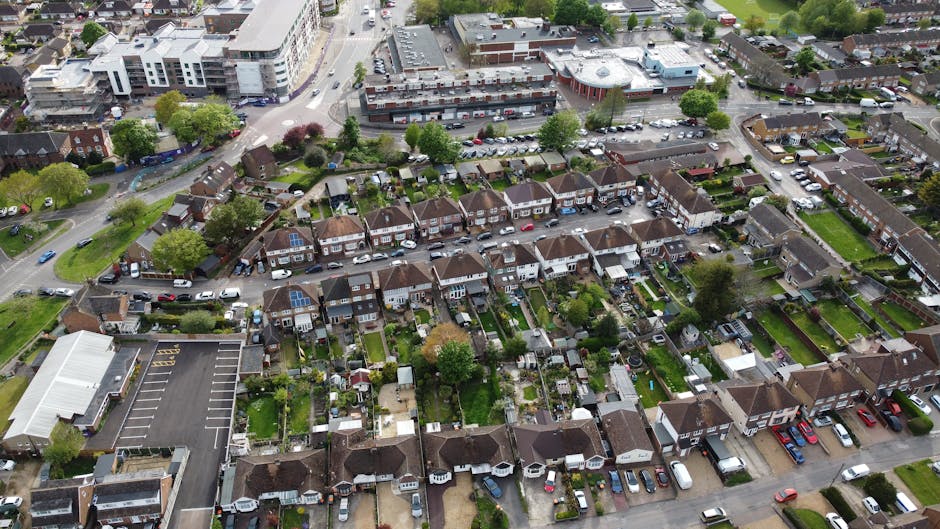
Sutton Council permit rules for Wallington movers: a practical local guide
If you are moving in Wallington, parking is rarely the simple bit. The van may fit, the boxes may be packed, and the sofa may be wrapped, but the curbside space outside the property can be the thing that slows everything down. That is where Sutton Council permit rules for Wallington movers come in. In plain English: if your removal van, man and van, or delivery vehicle needs to stop in a restricted bay, on yellow lines, or in a controlled parking area, you may need permission first. Miss that detail and a calm moving day can turn messy very quickly.
This guide breaks the topic down clearly. You will learn how permit rules usually work, why they matter, what to check before move day, and how to avoid the small mistakes that cause the biggest headaches. I will also cover local moving scenarios, useful planning habits, and the kind of practical steps that make a real difference on narrow Wallington streets.
Why Sutton Council permit rules for Wallington movers Matters
Moving day is already full of moving parts, literally. Someone is carrying the kettle, someone else is trying to find the box marked "kitchen," and the van driver is looking for a place to stop without blocking traffic. In Wallington, that last part can become the deciding factor in whether the move runs on time.
Sutton Council permit rules matter because parking restrictions are not just background noise. They shape where a removal vehicle can wait, how long it can stay, and whether loading or unloading is allowed in a particular spot. For movers, this affects timing, manpower, and sometimes cost. For residents, it affects whether the move starts at the front door or half a street away.
There is also the risk side. If a vehicle is left where it should not be, the result may be a warning, a penalty, or a forced relocation of the van at the worst possible moment. Not ideal when a chest of drawers is balanced on a sack truck and the rain starts. To be fair, nobody wants that sort of drama.
Wallington streets vary a lot. Some are straightforward, while others are tight, busy, or shared with commuters and local businesses. If you want a smoother move, it helps to think about permits early rather than as an afterthought. A good moving plan always includes parking, access, and timing together.
For movers who are also juggling packing, cleaning, and storage decisions, this is one of the easiest things to overlook. If you want help with the rest of the process, our guide on packing methods for a hassle-free move is a handy companion read, and so is our wider house-moving checklist.
How Sutton Council permit rules for Wallington movers Works
The basic idea is simple: if a vehicle needs to use a controlled parking space or restricted road space for loading, unloading, or waiting during a move, permission may be required. The exact process depends on the street, the type of restriction in place, the length of time the vehicle will be there, and whether the move is residential, commercial, or linked to a flat, shop, or office.
In practice, movers should expect a few decision points:
- Is the street restricted at the time of the move?
- Will the vehicle be stationary for long enough to need permission?
- Is the vehicle stopping for loading only, or does it need a formal parking arrangement?
- Are there time windows, bay rules, or local access conditions that affect the route?
- Will a second vehicle, container, or shuttle run also need space?
For Wallington moves, the answer often depends on street layout and property type. A ground-floor house with clear driveway access is one thing. A second-floor flat near a busy road is another. If the property sits on a narrow road, you may also need to think about whether the van can stand safely close enough to reduce carrying distance. That is where planning really pays off.
Some movers assume that "loading only" automatically solves everything. Sometimes it does, sometimes it doesn't. If the area is controlled or the stop may obstruct traffic, it is safer to check first rather than guess. The difference between a smooth 20-minute load and a 20-minute argument with parking restrictions can be surprisingly small.
If your move involves awkward access, the local context matters even more. Our article on tight-access moves in Wallington gives a good sense of why street width and turning space can matter as much as the lift itself.
Key Benefits and Practical Advantages
Sorting the permit side properly has a few obvious benefits, and a few subtle ones too. The obvious ones are fewer parking problems, less stress, and a better chance of staying on schedule. The subtle benefits are just as useful.
- Less wasted carrying time: the van can stop closer to the property.
- Lower damage risk: fewer long carries mean fewer bumps, scrapes, and tired hands.
- Better timing: the removal team can work in a steadier rhythm.
- Cleaner customer experience: less standing around, less waiting, less faff.
- Reduced chance of disruption: especially on roads where traffic builds quickly.
There is also a practical wellbeing angle. Anyone who has moved a wardrobe down a flight of stairs knows that distance matters. A van parked a bit closer can save a lot of physical strain. If you are lifting heavy items yourself, that extra distance can become the difference between "fine" and "why did we think this was a good idea?"
For families, students, and small businesses, permits also give peace of mind. You can focus on the move itself instead of scanning the street every ten minutes. And honestly, on moving day, you already have enough to think about.
If you are trying to protect bulky furniture in storage before or after the move, the same planning mindset applies. See our sofa storage advice and storage options in Wallington for related planning ideas.
Who This Is For and When It Makes Sense
This topic is relevant to far more people than first-time house movers. If your vehicle needs access to a restricted street or parking bay in Wallington, it is worth checking the permit side early.
- Home movers leaving or arriving at a house
- Flat movers dealing with limited kerbside space
- Students moving into shared accommodation
- Office or shop relocations with loading constraints
- People hiring a man with a van for a short local move
- Anyone moving bulky items where the van needs to wait nearby
It makes particular sense when the property is on a busy road, near a parade of shops, or in a street where every parking space is fought over before breakfast. That includes some local delivery and access situations where the van cannot simply pause anywhere it likes. The same is true if you are moving large pieces and need to keep them close to the vehicle, which is why our furniture removals service and solo lifting tips are often read together by people planning a difficult move.
Business moves deserve special care. A shop or office relocation usually has stricter timing pressures, more equipment, and less tolerance for parking mistakes. If that sounds like your situation, you may also find our town-centre shop moving checklist useful.
Step-by-Step Guidance
Here is the simplest way to approach Sutton Council permit rules for a Wallington move without overcomplicating it.
- Check the property access early. Look at the street, the nearest legal stopping points, and whether the van can safely stand close enough for loading.
- Identify restrictions. Yellow lines, bay markings, time limits, or local loading rules all matter.
- Estimate the vehicle need. A small van, long wheelbase van, or larger removal van may each create different parking challenges.
- Plan the arrival window. Avoid peak traffic where possible, especially if the access road is narrow.
- Confirm the loading strategy. Decide whether the van will park once, shuttle items in stages, or need a helper to manage the door and driveway side.
- Build in a buffer. A 15-minute delay can easily become 45 minutes if parking is poor.
- Keep documents and contact details handy. If permission or instructions are needed, they should not be buried in an email thread somewhere.
One simple habit helps a lot: take a quick photo of the street before moving day. It sounds almost too basic, but it gives you a visual record of the parking situation and helps everyone involved make decisions faster.
For many moves, especially if you are using a professional team, the aim is not perfection. It is control. A controlled plan beats a rushed one every time.
Expert Tips for Better Results
After enough moves, a few patterns become obvious. The people who do best are not always the ones with the biggest van or the most tape. They are the ones who think about access before lifting starts.
Tip 1: Treat the parking decision like part of the move, not a side task. If the vehicle cannot stop properly, everything else gets slower. It really is that simple.
Tip 2: Match the van size to the street, not just the volume of items. A smaller vehicle may be more efficient on a tight Wallington road than a larger one that has to park further away.
Tip 3: Move awkward items first if access is tight. Pianos, wardrobes, mattresses, and appliances are easier to manage when the load-in path is fresh. For delicate or heavy pieces, our guides on mattress moving and piano removals are practical reads.
Tip 4: Keep one person outside the property. A spotter can watch traffic, guide the van, and stop avoidable mistakes. In busy areas, this is gold.
Tip 5: Don't let the last box create the biggest parking problem. It often happens. One final trolley run drags on because the van has to move again. Annoying, and avoidable.
One more thing: if the move includes fragile items, do not let permit planning make you rush the packing. Our article on cleaning before relocation and the guide to decluttering before you relocate can make the whole process feel less crowded and more manageable.

Common Mistakes to Avoid
Most permit-related moving problems are not dramatic. They are small errors that stack up. That is the annoying bit.
- Leaving parking planning until the morning of the move. By then, choices are limited.
- Assuming a loading bay is automatically available. It may be time-limited or already occupied.
- Forgetting about height, width, or turning restrictions. A van can be legal to park but awkward to reach.
- Not telling the removal team about street quirks. If they do not know, they cannot plan around them.
- Underestimating carry distance. Longer carries mean slower work and more fatigue.
- Ignoring nearby schools, shops, or commuter traffic. Timing matters more than people think.
A common one in Wallington is assuming that a "quick stop" will not matter. But councils and enforcement teams tend to see things in a far less emotional way than the person moving a fridge at 8:30 in the morning. Fair enough, really.
If waste, old furniture, or broken items need removing too, you should also think about disposal in advance. See bulky waste removal tips and our recycling and sustainability information for better ways to keep the day tidy.
Tools, Resources and Recommendations
You do not need a huge toolkit for permit planning, but a few basic things help enormously.
| Tool or resource | Why it helps | Best use |
|---|---|---|
| Street photos | Shows parking width, signs, and access points | Pre-move planning and van sizing |
| Move-day checklist | Stops permit steps being forgotten | House, flat, and office moves |
| Floor plan or rough sketch | Helps map the shortest safe carry route | Busy or tight-access properties |
| Box labels | Speeds unloading and reduces time parked | Every move, honestly |
| Removal company briefing | Lets the team choose the best access strategy | Any move with restricted parking |
It also helps to work with a provider that understands local streets and practical loading patterns. You can review the wider service range on our services overview, or read more about man with a van support, man and van moves, and removal van options if you are comparing approaches.
If you are still gathering quotes, it is worth understanding how parking and access can affect pricing. Our guide to hidden charges in Wallington removal quotes explains why access details should never be an afterthought.
Law, Compliance, Standards, or Best Practice
Without pretending every move is identical, there are a few compliance principles worth keeping in mind. Road restrictions, parking controls, and loading rules exist to keep traffic moving safely and fairly. If you ignore them, you risk enforcement action and you also make life harder for everyone else on the street. That part is straightforward.
Best practice for movers in Wallington is to work from the assumption that local parking rules matter until you have confirmed otherwise. In practical terms, that means checking the location, the timing, and the size of the vehicle before the moving crew arrives. If a route or stopping point looks questionable, it probably is.
Health and safety matters too. Long carries, awkward lifts, and repeated trips increase strain. That is why professional moving teams often use methods that reduce carrying distance and improve lifting efficiency. If you want a deeper look at safer handling, our article on kinetic lifting and safety is worth a read, and so is our health and safety policy.
Insurance and clear terms also form part of a sensible moving arrangement. If something is unclear, check it before the job starts. That is the boring advice, but it saves trouble. Our pages on insurance and safety and terms and conditions are useful reference points for that kind of planning.
Options, Methods, or Comparison Table
Different move types call for different access strategies. Here is a simple comparison to help you think it through.
| Method | Best for | Pros | Watch-outs |
|---|---|---|---|
| Direct kerbside loading | Quiet streets with enough stopping space | Fastest, least carrying | Depends on legal access and availability |
| Short carry from legal parking | Controlled streets or limited bays | Often realistic in town areas | More time, more strain, more handling risk |
| Shuttle loading with a smaller vehicle | Tight roads and awkward access | Flexible and easier to position | May need more trips |
| Professional removal planning | Flats, offices, and complex moves | Better coordination and reduced stress | Requires more detailed briefing beforehand |
In many Wallington jobs, the best answer is a mix of methods rather than one perfect solution. A move may start with kerbside loading, switch to a short carry, and then use a second van run if the property is especially tight. That is not a failure. It is just sensible logistics.
Case Study or Real-World Example
Imagine a couple moving from a first-floor flat in Wallington to a nearby house a few streets away. The new place has easier access, but the flat sits on a busy road with limited stopping space. If they had turned up with a larger van and hoped for the best, the day could have gone sideways quickly.
Instead, they checked the street layout in advance, confirmed where the van could reasonably stand, and packed the heaviest items so they could be unloaded first. The team kept one person watching the vehicle while the others moved boxes and small furniture in clear stages. It was not glamorous, and nobody was taking victory photos at 9 a.m., but the move stayed on time. More importantly, nobody had to rush the awkward items because of a parking scramble.
That kind of result is typical when the access plan is treated as part of the move itself. The permit rules are not there to make life annoying. They are simply another piece of the puzzle, and once that piece is handled properly, the whole thing feels calmer.
If your move includes a mattress, sofa, or large family furniture piece, you may also like our practical guides on moving a mattress without damage and protecting sofas in storage.
Practical Checklist
Use this as a last-minute sanity check before move day.
- Confirm the exact moving date and arrival window
- Check whether the street has parking restrictions or loading limits
- Decide where the van is likely to stop
- Measure any awkward access points, if possible
- Tell the removal team about stairs, narrow paths, or long carries
- Pack and label boxes so unloading is efficient
- Separate fragile items and awkward items early
- Prepare keys, building access details, and contact numbers
- Make a plan for bulky waste, if needed
- Leave a small buffer in the schedule for delays
For many people, the real breakthrough comes from just slowing down enough to check the basics. Not exciting, I know. But moving rarely rewards guesswork.
Conclusion
Sutton Council permit rules for Wallington movers are really about one thing: making sure your vehicle can legally and safely support the move. When that part is handled early, everything else becomes easier. The carrying is shorter, the team works more smoothly, and the day feels much less rushed.
Whether you are moving a flat, a family home, a shop, or just a few bulky items, the smart approach is the same. Check access, think about parking, choose the right vehicle, and keep the plan realistic. Small details win here. They always do.
If you are still mapping out the move, it may help to review our removals in Wallington, flat removals support, or house removals service pages alongside this guide. The right local plan can save a lot of stress, and a surprising amount of time too.
Get a free quote today and see how much you can save.
And when the van pulls off and the last box is in the right room, you will be glad the parking side was handled properly. That little bit of foresight goes a long way.