






Narrow-street solutions for tight-access moves in Wallington
Posted on 18/06/2026
![A wide view of a small urban street in Wallington with a narrow access point for vehicle and moving truck entry, featuring double yellow lines along the pavement, parked cars on both sides, and a central priority roundabout with a 'Give Way' sign and a blue circular directional sign. The street is lined with mixed brick and white-painted commercial and residential buildings, some with shopfronts and others with residential entrances. Trees with sparse leaves and street lamps are visible along the pavement, suggesting early spring. The scene is well-lit with natural daylight, and in the background, more parked cars and the continuation of the street can be seen, illustrating the tight-access environment that [COMPANY_NAME] handles during house removals and furniture transport in tight urban settings.](/pub/blogphoto/narrowstreet-solutions-for-tightaccess-moves-in-wallington1.jpg)
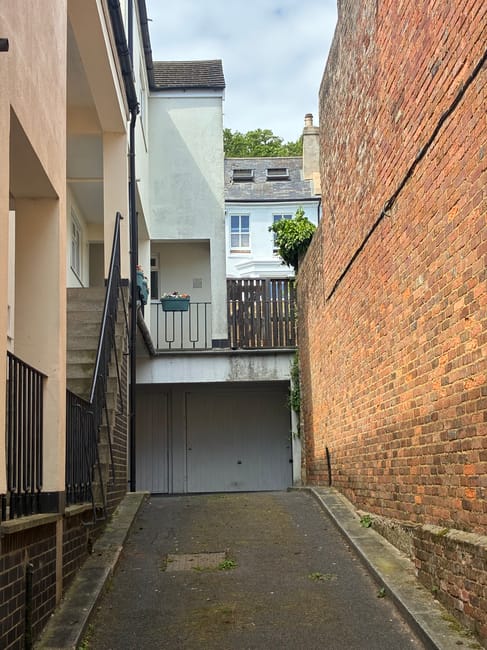
Moving house is stressful enough without a van that cannot quite squeeze into the road. In Wallington, that problem comes up more often than you might expect: parked cars on both sides, a tight turning circle, low branches, awkward corners, shared driveways, and stairwells that seem to get narrower by the minute. Narrow-street solutions for tight-access moves in Wallington are about making the whole move fit the street, not forcing the street to fit the move. Done well, it saves time, reduces damage risk, and keeps the day feeling controlled rather than chaotic.
This guide explains how tight-access moving works in real life, who it suits, what to plan for, and which mistakes tend to cause the biggest headaches. If you are comparing options, you may also find it useful to look at removals in Wallington, man with a van support, or the broader services overview before you decide what level of help you actually need.
Why Narrow-street solutions for tight-access moves in Wallington Matters
Wallington has plenty of streets where moving day feels more like a careful puzzle than a straightforward lift-and-load. On paper, the job may look simple: collect furniture, load the van, deliver it safely. In practice, tight access changes everything. A large vehicle parked badly can block neighbours, delay the whole crew, and make lifting distances longer than they should be. The result? More fatigue, more handling, and a greater chance of scratches, dropped items, or strained backs.
Narrow-street moving matters because access is part of the job, not an afterthought. A van that is technically the right size can still be the wrong van if it cannot turn safely or sit close enough to the property. Likewise, a move that seems small can become awkward if the route involves steep kerbs, uneven paving, restricted parking, or a long carry from the nearest legal stopping point. That is where careful planning becomes the difference between a calm move and a messy one.
There is also the neighbour factor. Nobody enjoys a removal day that blocks driveways or leaves residents trapped behind a lorry while someone hunts for keys. Good access planning keeps things courteous and reduces the social friction that often comes with moving in built-up residential streets. Small thing, but it matters.
If you are also clearing out bulky items or old furniture as part of the move, it may help to read about bulky waste removals in Wallington and how to declutter before you relocate. Less clutter usually means fewer trips through a tight entrance. Obvious, yes. Still overlooked.
How Narrow-street solutions for tight-access moves in Wallington Works
Tight-access moving is really a series of small decisions that add up. First comes the assessment. Before moving day, the team looks at the street width, parking availability, entrance clearance, stair access, lift access if relevant, and whether the van can safely stop near the property. If the move involves a high street side road or a busy route, timing matters too. Some streets are fine at 8 a.m. and a nightmare by lunchtime. Truth be told, a move can rise or fall on timing alone.
Next comes vehicle choice. For narrow streets, smaller removal vans or a flexible removal van in Wallington may be more practical than something oversized. The point is not just to fit the vehicle in; it is to preserve efficient access so the load can be moved without unnecessary carrying distance. If the property has especially limited approach space, a two-stage plan may be better: a smaller vehicle or shuttle arrangement to a safer loading point, then onward transport.
Loading strategy matters too. Items need to be packed in a way that minimises re-handling, because every extra lift in a narrow hallway adds risk. That is why smart packing advice and sequencing are so useful. If you want a refresher, the guide on packing methods for a hassle-free move is a sensible starting point, and for delicate furniture, furniture removals in Wallington can be a better fit than trying to improvise on the day.
Finally, communication makes the system work. Residents, drivers, and movers need the same plan: where the van can stop, which items come out first, who opens gates, what happens if a car blocks access, and what the fallback option is. When everyone knows the order of play, the move becomes much easier. Not glamorous, but effective.
Key Benefits and Practical Advantages
The most obvious benefit is simple: the move becomes possible. But there are several other advantages that are just as valuable in practice.
- Less carrying distance: Shorter walks between property and van reduce time, strain, and the chance of dropping items.
- Lower damage risk: Fewer turns through tight corners and fewer handovers mean fewer opportunities for scuffs and knocks.
- Better scheduling: A well-planned tight-access move usually runs closer to time, because there is less improvisation.
- Improved safety: Careful routing and load planning help protect both movers and your belongings.
- More considerate for neighbours: Good access planning keeps driveways, pavements, and entrances clearer for everyone else.
There is also a quieter benefit: peace of mind. If you know the team has planned for access properly, you stop worrying about whether the sofa will make the corner, or whether the van will block the road for an hour. That mental load matters more than people admit.
For awkward furniture and bulky pieces, proper handling is often more important than brute strength. The article on kinetic lifting explains why movement technique can be just as important as muscle. And if you have awkward items like a mattress or a sofa, the specialist guides on moving a mattress without damage and protecting your sofa are worth a look before you start taping everything up in a panic at 10 p.m.
Who This Is For and When It Makes Sense
Narrow-street solutions are not only for big houses or tricky town-centre addresses. They make sense any time access is tighter than the move itself. A first-floor flat above a parade of shops, a terraced house with permit-controlled parking, a property with a shared alley, or a business unit reached via a narrow service road can all benefit.
This approach is especially useful if you are:
- moving from or into a terraced property with limited frontage
- dealing with parked cars that cannot easily be moved
- living on a road where only smaller vehicles can sensibly stop
- moving large or fragile items that need closer vehicle access
- working to a tight time window, such as a completion day or same-day handover
Students and flat movers often underestimate access problems because the volume looks small. But a narrow stairwell and a heavy wardrobe can create more friction than a whole house full of small boxes. If that sounds familiar, student removals in Wallington and flat removals are both worth considering, even if the job feels modest on paper.
Business moves can be just as awkward. A shop or office on a constrained road may need early access, a smaller van, or phased loading. For that kind of move, the routes described in moving a Wallington town centre shop and office removals in Wallington are directly relevant. Different setting, same basic problem: the building is ready before the road is.
Step-by-Step Guidance
- Survey the access in person. Check road width, turning space, kerbs, overhead obstacles, and whether the front door or loading point can actually be reached safely.
- Measure the key items. Sofas, wardrobes, beds, dining tables, and white goods should be measured against door widths and stair turns, not just against a tape measure in the lounge.
- Choose the right vehicle size. In many tight streets, a smaller van or staged loading plan works better than forcing a larger vehicle into a poor fit.
- Plan the loading order. Put awkward, heavy, or fragile items on the move list first so they are handled with the most care.
- Prepare the route inside the property. Clear hallways, remove loose rugs, protect corners, and keep doors open where safe to do so.
- Pack for short lifts and fewer turns. Use solid boxes, wrap breakables, and avoid overfilled containers that twist awkwardly in narrow spaces.
- Build in a fallback. If the street is blocked on arrival, know the nearest alternative stopping point and how the team will adapt.
There is a simple rule here: the smaller the access, the more preparation beats improvisation. You do not want to be deciding whether the wardrobe should go in first while standing in the rain with a half-open gate and a driver waiting behind you. Been there, done that, nobody enjoys it.
Before the move, it helps to think through the contents carefully. The advice in solo lifting of heavy objects is useful if you are moving some smaller items yourself, while safer lifting techniques can help you understand why posture and grip matter so much in confined spaces.
Expert Tips for Better Results
In our experience, the best tight-access moves look boring from the outside. That is a compliment. No drama, no frantic phone calls, no last-minute van shuffle. Here is what tends to make the difference.
Keep the vehicle plan flexible
If the road is awkward, do not lock yourself into a single large vehicle too early. A more flexible vehicle choice often allows better positioning and less wasted effort. Sometimes a slightly smaller van is the smarter call, even if it means one extra trip. That trade-off is often worth it.
Protect the first ten metres
The entry point into the property is usually where the damage happens. Protect floor edges, banisters, and door frames. The first ten metres can set the tone for the whole job, especially when heavy items are being angled through turns.
Use staging zones
Where possible, create a small staging area near the entrance. Boxes, cushions, dismantled furniture, and wrapped items can be grouped there so the actual load-out goes smoothly instead of becoming a traffic jam in the hallway.
Pack with direction in mind
Not all packing is equal. Heavy boxes should be easy to lift from low height. Fragile items should be grouped together so the team does not keep rechecking labels in a cramped corridor. If you need a practical refresh, packing and boxes in Wallington is a sensible page to review alongside the more detailed packing guide.
Allow for weather and light
A narrow street is harder in poor light and wet conditions. A little drizzle can make kerbs slippery, and dark early-morning loading zones can hide trip hazards. If you have the option, choose a sensible time of day. It sounds basic. It is basic. It also works.
For especially delicate items, do not hesitate to use specialist support. Piano moves, for example, are a different league altogether. The guide on professional piano movers shows why expert handling is usually the safer path. Pianos and narrow staircases are not friends. Not even close.
Common Mistakes to Avoid
Most access problems are predictable. That is the annoying part. They are also avoidable, which is the good news.
- Assuming the van will fit because it "usually does". Access changes with parked cars, bins, delivery vehicles, and time of day.
- Measuring furniture but not the route. A sofa may fit through the front door and still fail on the stair turn.
- Ignoring loading distance. A few extra metres sounds harmless until you are carrying a washing machine down a narrow path.
- Leaving packing until the morning of the move. Tight-access jobs need organisation, not a box-packing sprint at 7 a.m.
- Forgetting neighbour and parking realities. If you block someone's drive or corner a junction, the whole move can slow down fast.
- Not planning for awkward items separately. Mattresses, mirrors, wardrobes, and desks often need a different approach from standard boxes.
There is one mistake that comes up again and again: treating a removal quote as if it automatically includes the right access setup. It may not. The post on hidden charges in Wallington removal quotes is useful reading if you want to understand how access issues can affect the final price. Also, if you need a same-day fix because the original plan fell apart, same-day removals in Wallington may be the most practical rescue option.
Tools, Resources and Recommendations
You do not need a warehouse full of equipment to manage narrow-street moving well. But a few items and habits make the day much easier.
| Tool or resource | Why it helps | Best use |
|---|---|---|
| Furniture blankets and covers | Reduces scuffs in tight hallways and around van edges | Sofas, tables, wooden frames, white goods |
| Strong boxes of consistent size | Stacks better and carries more predictably through narrow spaces | Books, kitchen items, mixed household goods |
| Webbing straps or lifting aids | Improves control when handling bulky items | Wardrobes, cabinets, heavy boxes |
| Floor and door protection | Helps prevent damage at pinch points | Entrances, staircases, hallway bends |
| Pre-move access notes | Keeps everyone aligned on the plan | Road access, parking, alternate stopping point |
Recommendation-wise, start with the property itself. A home with awkward access rarely benefits from overpacking. It benefits from smart reduction. That is where decluttering, staging, and sensible storage decisions come in. If you need to keep items out of the way temporarily, storage in Wallington can help break the move into manageable phases. If you are storing soft furnishings, the sofa storage guide is a practical companion read.
For anything involving heavy lifting, use good judgement and do not try to win a prize for bravado. A lot of injuries happen because someone says, "It'll be fine, we can just carry it round." Those words, honestly, have launched many a headache. A bit of planning beats a heroic wobble every time.
Law, Compliance, Standards, or Best Practice
Tight-access moving is not usually about one dramatic legal rule. It is more about sensible compliance and good practice. In the UK, removal work should be carried out with attention to health and safety, safe manual handling, appropriate vehicle use, and reasonable care for property and access routes. If a road or pavement is public space, crews also need to avoid creating unnecessary obstruction or hazard.
From a best-practice perspective, this means planning for safe lifting, clear walkways, controlled vehicle positioning, and realistic time allowances. It also means respecting insurance requirements and working within the operator's stated safety procedures. If a mover can explain their approach to risk, handling, and property protection in plain English, that is a good sign. If they cannot, that is worth noting.
For reassurance, you may want to review pages such as insurance and safety, health and safety policy, and terms and conditions before booking. Those are the boring pages, yes, but boring in the best possible way. They tell you how the work is meant to be handled.
Options and Method Comparison
When access is tight, there is rarely a single perfect solution. The right method depends on the road, the property, the items, and the timing. Here is a practical comparison.
| Method | Best for | Pros | Limitations |
|---|---|---|---|
| Standard full-size removal approach | Wider streets and easy parking | Efficient for larger loads | Can be awkward or impossible in narrow roads |
| Smaller van / man and van setup | Tight residential streets and single-item moves | More flexible, easier to position | May require more trips for larger jobs |
| Shuttle-style loading | Severe access restrictions | Protects vehicles and reduces blockages | Needs coordination and extra handling |
| Phased move with storage | Moves that cannot happen in one clean pass | Reduces stress and access pressure | Takes longer overall |
If you are unsure which route fits your move, a conversation with a removals specialist is usually more useful than guessing. A proper assessment can reveal whether a smaller vehicle, staggered loading, or storage split will work best. That is especially true for homes where access is fine on one side but terrible on the other. Funny how often that happens.
Case Study or Real-World Example
A typical Wallington tight-access move might involve a two-bedroom flat on a residential street with parking on both sides and a narrow entrance hall. The client has a sofa, double mattress, dining table, and a stack of boxes from a last-minute declutter. At first glance it looks straightforward. Then the van arrives and there is just enough space for one vehicle to stop safely without blocking a neighbour's drive.
The solution is not to force the biggest van available into the road. Instead, the movers use a compact vehicle, split the loading into sensible stages, and keep the hallway clear so items can be brought out without snagging on the banister. The mattress is wrapped properly, the sofa is angled before the turn, and the dining table legs are removed in advance. Small decisions, but they make the difference between a smooth half day and a frazzled mess.
In a slightly more awkward version of that move, the team might have to park a short distance away and use a shuttle method. That adds some handling, sure, but it avoids congestion and keeps the job safe. And if one oversized item cannot be moved without risk, storing it temporarily may be the smarter answer. Not every move has to be a single dramatic leap from one front door to another. Sometimes the sensible route is the best route.
![A wide view of a small urban street in Wallington with a narrow access point for vehicle and moving truck entry, featuring double yellow lines along the pavement, parked cars on both sides, and a central priority roundabout with a 'Give Way' sign and a blue circular directional sign. The street is lined with mixed brick and white-painted commercial and residential buildings, some with shopfronts and others with residential entrances. Trees with sparse leaves and street lamps are visible along the pavement, suggesting early spring. The scene is well-lit with natural daylight, and in the background, more parked cars and the continuation of the street can be seen, illustrating the tight-access environment that [COMPANY_NAME] handles during house removals and furniture transport in tight urban settings.](/pub/blogphoto/narrowstreet-solutions-for-tightaccess-moves-in-wallington3.jpg)
Practical Checklist
Use this checklist before moving day. It saves a lot of "oh no, we forgot that" moments.
- Measure the street access, doorway widths, stair turns, and any overhead obstacles
- Confirm where the van can safely stop and how long it can stay there
- Check whether parking restrictions, loading limits, or neighbour driveways may affect access
- Measure the largest furniture items and compare them with the route
- Disassemble what can be safely dismantled in advance
- Use strong packing materials and label fragile boxes clearly
- Keep hallways, landings, and entrances clear
- Protect walls, floors, and doorframes at pinch points
- Prepare a fallback plan if the road is blocked
- Set aside essentials so they do not get buried in the load
- Share access notes with the mover before the day begins
- Review safety, insurance, and terms before booking
If you are the sort of person who likes one last pass before move day, the article on making house moving easier is a practical companion. So is a bit of decluttering. Always a bit more than you think, usually.
Get a free quote today and see how much you can save.
Conclusion
Narrow-street solutions for tight-access moves in Wallington are really about reducing friction in the places where moves usually go wrong: vehicle positioning, carrying distance, awkward turns, and last-minute uncertainty. When those parts are planned properly, even a cramped street can be handled calmly. Maybe not beautifully. But calmly, and that counts.
The best results come from a mix of realistic planning, the right vehicle size, careful packing, and honest access checks before the day. If you are dealing with a tricky road, a small flat, or furniture that will not forgive guesswork, take the access issue seriously from the start. It will save you time, money, and a fair amount of stress. And once the last box is through the door, the whole thing feels much lighter than it did in the morning.

