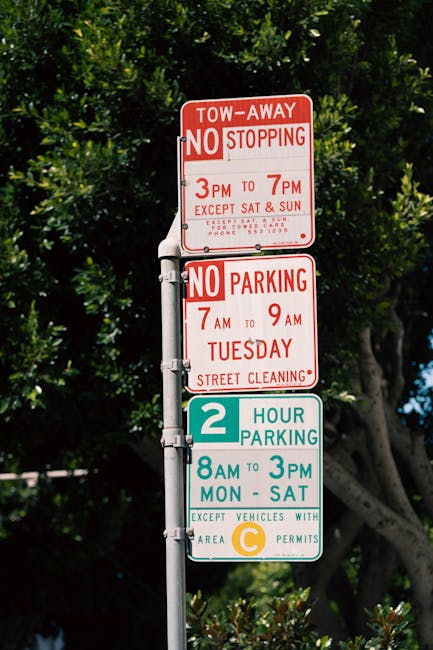




Do movers need permits? Wallington parking and fines explained
Posted on 06/07/2026
If you are booking a move in Wallington, one of the first awkward questions is usually the simplest: do movers need permits, or can they just park outside and get on with it? The short answer is that sometimes they do, sometimes they do not, and the details matter more than people expect. Parking restrictions, bay markings, street width, timing, and how long the vehicle will be stopped can all change what is needed. If that sounds like a lot, fair enough. It is. But it is also the difference between a smooth move and an annoying fine on a day that is already busy.
This guide explains the practical side of Wallington parking, when permits are likely to be needed, how fines can happen, and what you can do to reduce the risk. We will keep it plain English and local, with a few useful pointers from real moving scenarios. If you want broader move planning advice as well, you may also find these house-moving tips helpful, especially if you are trying to keep the day calm and organised.

Why Do movers need permits? Wallington parking and fines explained Matters
Parking is often the hidden time sink in a move. In a place like Wallington, where residential streets can be tight and traffic can build quickly, a removal van parked in the wrong place can cause a chain reaction: delays carrying boxes, extra loading distance, stressed neighbours, and a knock-on risk of enforcement. Nobody wants to spend the first hour of a move running up and down a pavement because the vehicle had to park further away than expected.
The reason this matters is simple: moving vehicles are not treated as exempt from parking control just because they are doing a job. Depending on the street, time, and restrictions in place, a mover may need permission to stop, wait, load, or unload. In some situations the issue is a formal permit. In others it is a parking bay suspension, a dispensation, or just careful use of a legal loading area. If you want a deeper look at local access issues, our Wallington moving guide for Woodcote Road deliveries is a useful companion read.
There is also a financial side. A parking penalty, or a fine for stopping where you should not, can eat into the moving budget surprisingly fast. Even a small admin slip can become a bigger headache once time is lost and the crew has to adjust the whole plan. Truth be told, the fine is only half the problem; the other half is the disruption.
Expert summary: movers do not automatically need a permit everywhere, but they often need some form of parking arrangement in busy or restricted parts of Wallington. The safest approach is to assume parking needs checking before moving day, not on the morning of the move.
How Do movers need permits? Wallington parking and fines explained Works
The process is usually more practical than people expect. First, look at the property and the street. Is there unrestricted kerb space? Is the road narrow? Are there yellow lines, resident bays, permit bays, time limits, or loading restrictions? If the answer to any of those is yes, you should pause and check the likely parking setup before the van arrives.
For many home moves, the question is not really "does the mover need a permit?" but "does the vehicle need permission to stop where the load or unload will happen?" That distinction matters. A larger van stopping across a bay, blocking access, or standing in a controlled area for a long period may need advance planning. A smaller vehicle doing a quick, lawful loading stop may not. The details are local and situation-specific.
There are also practical differences between brief loading and a longer move-in. If the van needs to stay for a while while furniture comes down stairs, gets wrapped, and is carried out, a permitted space is often a better bet. If the job is light and quick, the vehicle may only need a short, legal stopping point. In moving work, "short" has a habit of becoming longer. Bags take time. Sofas are awkward. And one missing key can add ten minutes on its own.
In Wallington, narrow streets and town-centre access can make this more sensitive. If you are moving in a tight residential road or a busier high-footfall stretch, it is worth reading about tight-access solutions for narrow streets in Wallington. That kind of planning often prevents the parking problem before it starts.
When parking goes wrong, fines usually happen because the vehicle is placed where restrictions are active, the allowed time is exceeded, or the stop creates an obstruction. Sometimes the issue is not even the bay itself but the vehicle's position relative to a dropped kerb, junction, zig-zags, or another access point. So yes, the fine can feel unfair in the moment, but the enforcement position is often very straightforward from a council point of view.
Key Benefits and Practical Advantages
Getting the parking side right gives you more than just peace of mind. It changes the whole rhythm of moving day. The crew can work closer to the door, the loading route is shorter, and heavy items do not have to be walked as far. That matters more than many people think, especially for bulky or fragile pieces.
- Less carrying distance: fewer trips from the van to the property means less fatigue and lower risk of knocks and drops.
- Faster loading: if the vehicle can park properly, the team can keep the job moving instead of waiting for a space to open up.
- Lower risk of fines: a proper parking arrangement reduces the chance of a penalty or enforcement notice.
- Better protection for furniture: shorter carry distances help reduce scuffs, damp risk in poor weather, and accidental damage.
- Less stress on neighbours and pedestrians: a tidy parking plan is just better manners, frankly.
This is especially noticeable when moving larger pieces. A sofa, wardrobe, or piano is difficult enough without adding a long carry from the next street. If you are shifting awkward items, our guides on moving a mattress without damage and professional piano moving show how access and handling work hand in hand.
Who This Is For and When It Makes Sense
This topic matters to more people than you might think. It is not just for big household moves with a full-size truck. Small flat moves, student moves, office relocations, and same-day jobs can all run into parking headaches in Wallington. If the vehicle is going to stop on a public road, even briefly, parking rules need a thought.
You will especially want to pay attention if you are:
- moving from or into a narrow street
- using a larger van or multiple vehicles
- moving on a weekday morning or a busy local traffic period
- living in a flat, maisonette, or above-shop property
- relocating from a property with limited driveway space
- moving bulky furniture, appliances, or specialist items
If the job is light and the road is clearly unrestricted, the permit issue may be minimal. But if the move involves a busy stretch, a controlled bay, or a tight turnaround, planning becomes worthwhile very quickly. A lot of move-day misery comes from people assuming there will just be a space. Sometimes there is. Sometimes there absolutely is not.
For smaller or student moves, it can be tempting to leave parking to chance. That is where delays creep in. If you are planning a compact relocation, it may help to review student removals in Wallington alongside your access plan, because the budget and the parking risk often sit in the same conversation.
Step-by-Step Guidance
Here is a practical way to approach it, without overcomplicating things.
- Check the property access first. Look at the street, the frontage, and any visible parking restrictions. Do not rely on memory from a quick visit last month.
- Decide what the vehicle needs to do. Is it a short stop for a few boxes, or a longer load-out with furniture, dismantling, and wrapping?
- Identify likely problem points. Corners, resident bays, single yellow lines, loading restrictions, dropped kerbs, and school-adjacent roads can all affect a stop.
- Confirm the plan with your mover. A good removals team will flag access concerns early. If you are comparing providers, our guide to removal companies in Wallington can help frame what to ask before booking.
- Build in time for parking. Even if a permit is not needed, a busy street can still cost you time.
- Prepare the walk from van to door. Clear hallways, label boxes, and keep essentials ready so no one is wandering around looking for keys while the vehicle idles.
- Keep proof and notes. If a permit, dispensation, or agreed arrangement has been made, keep the confirmation handy on the day.
A small but useful habit is to do a quick "van reality check" the day before. Stand outside the property at the time you expect the vehicle to arrive. What do you actually see? Where could the van stop safely? Would a second vehicle be needed? It sounds basic, but it catches a surprising number of problems.
And yes, it can feel a bit fussy. But moving days are already a bit fussy. That is the nature of them.
Expert Tips for Better Results
After enough moves, a pattern becomes obvious: the best outcomes rarely happen by accident. They come from small decisions made early. Here are the tips that tend to matter most in Wallington.
- Do not leave parking to the morning of the move. By then, the stress level is already up and the options are limited.
- Use the shortest legal stopping point available. If the van can park closer without breaching restrictions, loading becomes much easier.
- Match the vehicle size to the street. A large van in a tight road can create more trouble than it solves. Sometimes a smaller vehicle, or an earlier loading window, is the smarter move.
- Keep the loading route clear. Door mats, prams, bikes, and loose shoes tend to create tiny delays that add up.
- Check whether furniture needs dismantling. That can reduce the time a vehicle needs to stay in place. Our furniture removals service is a good fit when large items need careful handling and efficient loading.
- Plan for weather. A wet morning means slower loading, slippery pavement, and more chance of clutter around the doorway.
If you are moving a lot of items yourself, the physical side matters too. A useful read here is solo lifting advice for heavy objects, because the fewer awkward pauses you make at the van, the smoother the parking window becomes.
One more thing. Ask your mover how they handle access on busy streets. You learn a lot from the answer. If they sound vague, that is useful information in itself.

Common Mistakes to Avoid
The most common mistake is assuming that "loading only" means "no parking rules apply." That is not how it works in practice. Loading may be allowed in some places and restricted in others, and the exact stop has to fit the local rules.
Another frequent issue is underestimating time. A move that looks like an hour can become three if stairs are tight, items are bulky, or the first van position is awkward. People often park too far away, then spend the whole job carrying items farther than necessary. That is how a controlled move turns into a mildly chaotic one before lunch.
- Using resident bays without checking permission. A bay that looks empty is not always usable for a removal vehicle.
- Ignoring yellow lines or time restrictions. The temptation is obvious, but the fine risk is real.
- Failing to tell the mover about access problems. If they do not know, they cannot plan for it.
- Leaving the permit decision until the last minute. Late decisions usually cost more time and more stress.
- Blocking neighbours or dropping access. Even if a fine does not happen, complaints can slow the whole move down.
There is also a quieter mistake: not decluttering before the move. Extra items mean extra loading time, which increases the time the vehicle spends parked. A little pre-move sorting goes a long way. If you want a practical nudge, decluttering before you relocate is worth a look.
Tools, Resources and Recommendations
You do not need a complicated system. A decent moving notebook, a phone checklist, and a few photos of the street are often enough to keep things straight. That said, a few tools and habits do help.
- Street photos: take pictures of the parking area, the access route, and any signs.
- Room-by-room inventory: this helps estimate load time and vehicle size.
- Box labelling: the faster things go into the right rooms, the less time the van needs to remain parked.
- Parking notes: write down restriction times, bay types, and any special instructions from the property.
- Reusable packing materials: they reduce waste and keep the move tidier. If that matters to you, see our recycling and sustainability approach.
For broader move preparation, our packing methods guide and packing boxes page are useful companions. They will not solve parking on their own, obviously, but they do shorten the amount of time your van needs to stay in one place.
If the move is urgent and access is limited, a same-day option may be better than trying to improvise late. In those situations, same-day removals in Wallington can be a practical route, provided the parking plan is checked early enough.
Law, Compliance, Standards, or Best Practice
Without pretending to be a legal manual, the safest plain-English position is this: parking restrictions apply to moving vehicles just as they do to other vehicles. A removal job does not automatically create a right to park, stop, or wait wherever you want. In busy local streets, that means movers and customers should treat parking as a planning issue, not an afterthought.
Best practice is to confirm the parking arrangement before the move, especially if the road has controlled bays, limited waiting periods, yellow lines, or access constraints. If an arrangement is needed, it should be made early enough that the vehicle can arrive with a proper place to stop. This reduces the chance of penalties and helps keep the move compliant and efficient.
From an industry point of view, good movers also think about safety and public access. They should avoid blocking entrances, keep routes as clear as possible, and manage lifting in a way that protects people and property. If you want to understand how moving teams approach safe handling, health and safety information and insurance and safety guidance are worth reviewing.
It is also sensible to check the moving company's terms before booking. That sounds obvious, but people often skip it until something goes wrong. Our terms and conditions page is there for exactly that reason, and it is one of those pages that is boring until it is suddenly very useful.
Options, Methods, or Comparison Table
If you are deciding how to handle parking for a Wallington move, the main approaches usually look like this.
| Approach | Best for | Pros | Potential downside |
|---|---|---|---|
| Park where space is already available | Quiet streets with unrestricted space | Simple, low admin, often no permit needed | Space may disappear quickly on busy days |
| Use a controlled bay or arranged stopping point | Busy roads and longer loading times | Closer access, easier carrying, lower disruption | Needs checking and possibly advance arrangement |
| Use a smaller vehicle or split loads | Tight streets and limited frontage | More flexible, easier to position | May take more trips and more planning |
| Book a team experienced with local access | Complicated moves, flats, or narrow roads | Better judgment, fewer delays, safer handling | May cost more than a basic ad hoc hire |
There is no single winner here. A bigger vehicle is not always better. A permit is not always needed. A smaller van is not always enough. The right choice depends on access, load size, and how much disruption you can tolerate on the day. If you are unsure, checking the route and street conditions usually gives the answer faster than guesswork does.
Case Study or Real-World Example
Imagine a typical Wallington flat move on a weekday morning. The property is in a street with parked cars on both sides, and the front door opens straight onto a narrow pavement. The customer assumes the removal van can stop "just outside for a bit." But by 8:30am the street is already half full, and the nearest open spot is two doors down.
Now the crew has to make repeated carries from a less convenient position. Not disastrous, but slower. A wardrobe that should have taken one short carry now takes several careful trips around another parked car and a wheelie bin. Add in a bit of drizzle, one missing hallway key, and the whole job feels longer than it should.
In a better-planned version of the same move, the parking is checked the day before. The mover knows whether the space needs reserving or whether the van should arrive earlier. The customer clears the hall, labels boxes, and keeps the main load items by the entrance. The vehicle stops as close as possible, and the day stays orderly. Same move. Very different feel.
That is the real lesson here. Parking does not just affect fines. It affects pace, confidence, and how the whole move feels in the moment. And on moving day, feeling matters a lot more than people admit.
Practical Checklist
Use this before moving day to reduce the chance of parking problems and fines.
- Check whether the street has yellow lines, resident bays, or loading restrictions.
- Confirm if the mover may need a permit, dispensation, or reserved stopping arrangement.
- Take photos of the frontage and any nearby signs.
- Tell your mover about any tight access, stairs, or narrow turning points.
- Decide where the vehicle can stop legally and safely.
- Prepare boxes so loading is efficient.
- Keep walkways clear inside the property.
- Allow extra time for traffic, weather, and awkward items.
- Confirm whether large furniture needs dismantling.
- Have the contact details for the moving team ready on the day.
If you are moving a flat, take a moment to think about lift access, building rules, and pavement space as well. Our flat removals page can help you think through the practical side of apartment moves without missing the obvious stuff.
Conclusion
So, do movers need permits in Wallington? Sometimes yes, sometimes no, and the real answer depends on the exact street, vehicle, and parking restrictions involved. What never changes is the value of checking ahead. A few minutes of planning can save hours of friction, a strained back, or a fine that nobody wanted in the first place.
If you remember only one thing, make it this: parking is part of the move, not an afterthought. When it is handled well, everything else feels easier. The boxes move faster, the van stays legal, and the day has a better rhythm. That small bit of control goes a long way.
Get a free quote today and see how much you can save.
If you want to talk through your move, access, or parking concerns with a local team, you can always learn more about us or use our contact page to get started.